.webp&w=3840&q=75)

.jpeg&w=3840&q=75)


.jpeg&w=3840&q=75)
.jpg&w=3840&q=75)


.webp&w=3840&q=75)



.jpg&w=3840&q=75)
.jpg&w=3840&q=75)
.jpg&w=3840&q=75)

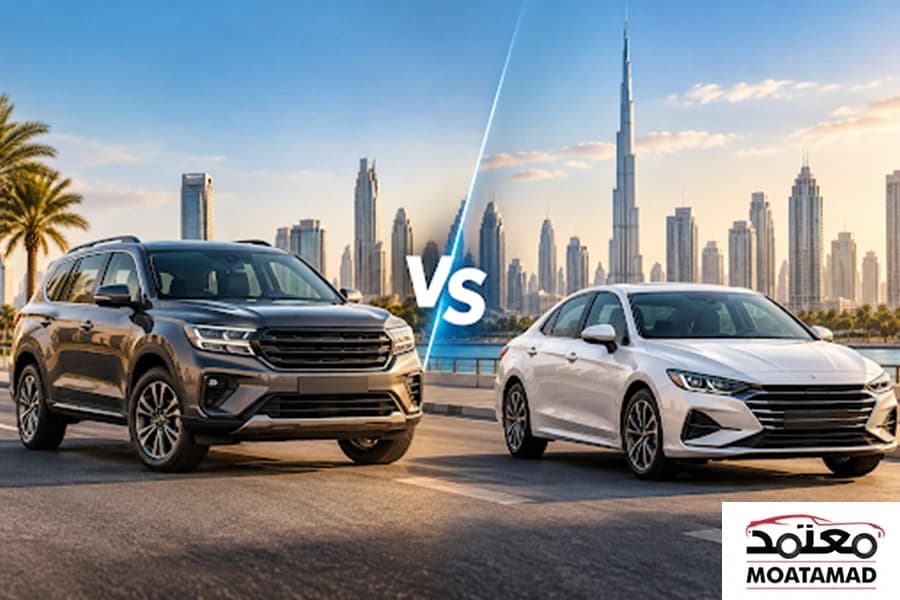
Choosing between an SUV and a sedan is one of the most important decisions when buying a car in the UAE. Both options offer different advantages, whether you need a vehicle for daily commuting, family travel, long highway drives, or weekend adventures.
An SUV offers a higher driving position, flexible cargo space, and, in certain models, off-road capability. A sedan is often more fuel-efficient, easier to park, and more affordable to maintain. However, the right choice depends on your budget, driving habits, family size, and long-term ownership costs.
If you are planning to buy a used car in Dubai or elsewhere in the UAE, understanding these differences can help you choose a vehicle that meets your needs without unnecessary expenses.
In this guide, we compare SUVs and sedans to help you decide which car is the better option for your lifestyle.
What Is the Difference Between an SUV and a Sedan?
An SUV, or Sport Utility Vehicle, is generally designed with a higher seating position, greater ground clearance, and a spacious cabin. Depending on the model, it may offer additional seating, flexible cargo space, or four-wheel-drive capability.
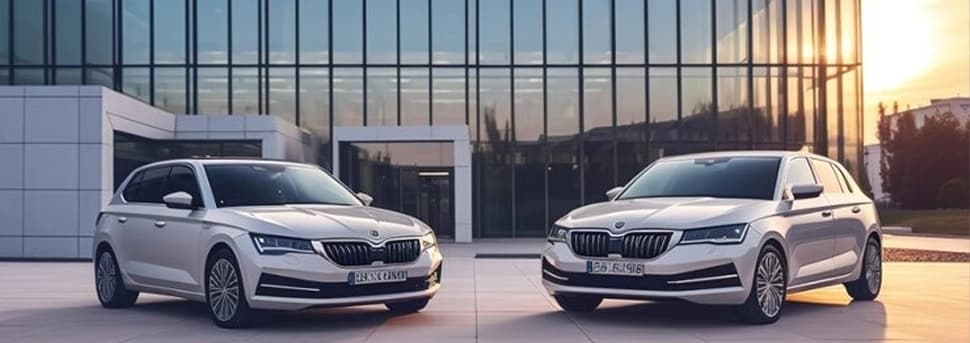
A sedan is a passenger car with a conventional three-box design, featuring separate engine, passenger, and boot compartments. Sedans are commonly chosen for their comfortable road handling, efficient fuel consumption, and everyday practicality.
Both vehicle types can perform well on UAE roads. The main difference lies in how they balance space, driving comfort, fuel economy, and overall ownership costs.
1. SUV vs Sedan: Quick Comparison
Feature | SUV | Sedan |
Interior space | Generally more spacious and flexible | Comfortable for individuals and small families |
Fuel efficiency | Often uses more fuel | Generally more fuel-efficient |
Driving position | Higher seating position | Lower seating position |
Parking | Larger models may be harder to park | Usually easier to manoeuvre and park |
Ground clearance | Generally higher | Generally lower |
Cargo capacity | Often offers flexible storage | Separate boot with model-dependent capacity |
Maintenance costs | Can be higher due to tyres and components | Often lower for comparable models |
Family suitability | Ideal for larger families and extra luggage | Suitable for couples and smaller families |
Off-road driving | Some models offer suitable 4WD capability | Primarily designed for paved roads |
Purchase price | Often higher for comparable models | Often more budget-friendly |
These are general comparisons. Compact SUVs may have lower running costs than some large sedans, and individual vehicle specifications can change the outcome.
2. Fuel Efficiency: Which Is More Economical?
Fuel consumption is an important consideration for UAE drivers, particularly those who commute daily or regularly travel between Dubai, Abu Dhabi, Sharjah, and other emirates.
SUV fuel consumption
SUVs are generally heavier and may have larger engines than comparable sedans. This can increase fuel consumption, especially in congested traffic or during frequent short trips.
However, fuel efficiency varies significantly depending on the engine, transmission, vehicle size, hybrid technology, and driving conditions. A compact SUV may consume less fuel than a large or high-performance sedan.
Sedan fuel consumption
Sedans are generally lighter and more aerodynamic, which can help reduce fuel consumption. This makes many sedans suitable for daily commuting and long-distance highway driving.
For drivers who cover substantial distances every month, even a small difference in fuel consumption can add up over time.
Which should you choose?
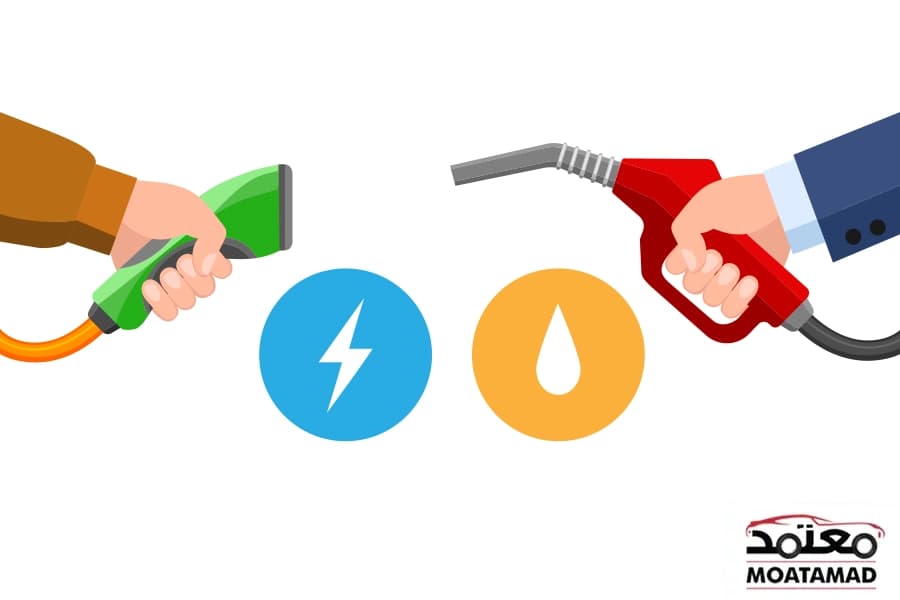
If your priority is reducing fuel expenses, compare the official fuel economy figures and real-world consumption of the specific vehicles you are considering. A fuel-efficient sedan is often a strong choice for regular commuting, while an efficient compact SUV can offer a practical balance of economy and space. If running costs are your main concern, it is also worth seeing how used electric and fuel cars compare in the UAE.
3. Comfort and Space for Families
Passenger comfort is another important factor when choosing between an SUV and a sedan.
Why choose an SUV?
SUVs often provide greater headroom, easier entry and exit, and flexible storage space. These features can be especially useful for families with children, older passengers, or bulky luggage.
Some SUVs also offer a third row of seats, making them suitable for larger families. However, third-row comfort and luggage space can vary considerably between models.
An SUV may be the better choice if you regularly carry several passengers, child seats, strollers, shopping bags, or travel equipment.
Why choose a sedan?
Sedans can provide comfortable seating for couples, professionals, and small families. Many models offer generous rear legroom, a smooth ride, and a separate boot for everyday luggage.
If you rarely carry more than three or four passengers, a sedan may provide all the space you need without the additional size of an SUV.
Which should you choose?
Consider how many passengers you normally carry and how much luggage you need. Test the rear seats, boot space, and child-seat accessibility before making your decision.
4. Driving Experience on UAE Roads
UAE drivers encounter a mix of urban traffic, highways, parking structures, and occasional rough or unpaved roads. The best vehicle depends on where you drive most often.
SUVs on UAE roads
SUVs provide a higher seating position that many drivers prefer for visibility in traffic. Their ground clearance can also help when navigating certain uneven surfaces, steep entrances, and rough tracks.
For long family journeys, the additional cabin space can improve convenience. However, larger SUVs may feel less maneuverable in tight parking areas and narrow streets.
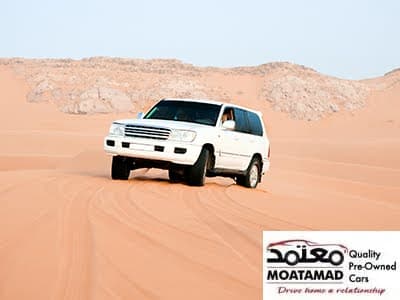
Not every SUV is suitable for serious off-road driving. If you plan to drive on sand or challenging terrain, look for the appropriate four-wheel-drive system, ground clearance, tyres, and off-road features.
Sedans on UAE roads
Sedans are well suited to paved roads and everyday commuting. Their lower centre of gravity and aerodynamic shape can contribute to stable handling and a comfortable highway driving experience.
Their smaller dimensions can also make parking and manoeuvring easier in busy areas of Dubai, Sharjah, and Abu Dhabi.
For drivers who spend most of their time commuting between home, work, and shopping centres, a sedan may be more practical than a large SUV.
Which should you choose?
Choose an SUV if you need extra space, higher ground clearance, or genuine off-road capability. Choose a sedan if your driving is mainly limited to city streets and highways.
5. Purchase Price: Which Offers Better Value?
Your purchase budget can influence whether an SUV or sedan makes more sense.
For comparable makes, model years, and equipment levels, sedans often have a lower purchase price than SUVs. This may allow you to buy a newer model, a better-equipped vehicle, or a car with lower mileage within the same budget.
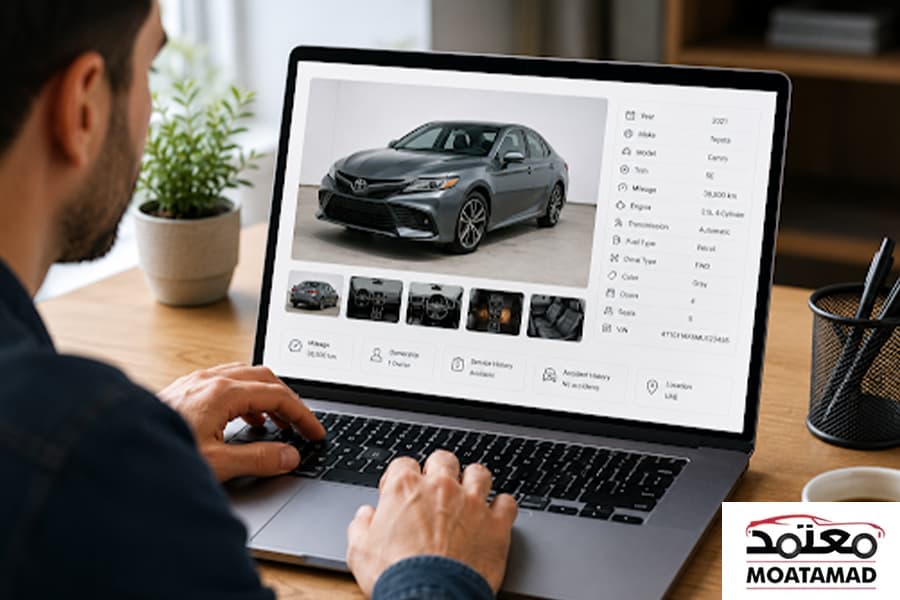
SUVs can cost more because of their size, equipment, engine options, and market demand. However, prices vary widely across brands and vehicle categories. Checking the latest used car offers is a quick way to see what your budget can realistically buy.
When comparing used cars in the UAE, consider:
● The vehicle's age and mileage.
● Overall mechanical and cosmetic condition.
● Accident and service history.
● Available safety and convenience features.
● Expected maintenance requirements.
● Current market price for similar vehicles.
Do not select a car based solely on its advertised price. A lower-priced vehicle that requires extensive repairs may be more expensive in the long run.
6. Maintenance and Repair Costs
Maintenance costs can make a significant difference to your total cost of ownership.
SUV maintenance
Some SUVs require larger tyres, more expensive replacement components, or additional maintenance associated with their size and drivetrain. Four-wheel-drive systems, where fitted, may also require specific servicing.
The cost depends on the model, parts availability, mileage, service history, and whether the vehicle has been driven in demanding conditions.
Sedan maintenance
Many mainstream sedans have relatively affordable servicing requirements, widely available spare parts, and smaller tyres. These factors can make them economical to maintain.
However, premium sedans and vehicles with complex engines or advanced technology can have substantial repair costs. A sedan is not automatically cheaper to maintain than every SUV.
Which should you choose?
Before buying a used vehicle, compare service schedules, tyre replacement costs, insurance quotations, and common repair requirements for the exact models. Arrange a professional pre-purchase inspection to identify potential problems.
7. Parking and Daily Convenience
Parking can affect your everyday driving experience, particularly if you live in an apartment building or regularly visit busy commercial areas.
SUVs
Larger SUVs can require more space in parking bays and may be harder to manoeuvre through narrow ramps in older buildings. Parking sensors and reversing cameras can help, but they do not eliminate the need to check the vehicle's dimensions.
Sedans
Sedans are typically easier to fit into compact parking spaces. Their smaller footprint can be an advantage in busy residential areas, shopping centres, and office parking facilities.
Which should you choose?
If you regularly park in tight spaces, check the vehicle's length, width, turning circle, and parking assistance features before purchasing. A compact SUV may offer a useful middle ground if you want extra height without the bulk of a full-size model.
8. Resale Value: SUV or Sedan?
Resale value matters when calculating the long-term cost of owning a vehicle in the UAE.
Certain SUVs have strong demand in the used-car market because of their reputation, versatility, and suitability for family travel. Some established off-road models can also retain value well.
Sedans from popular manufacturers can attract buyers looking for affordable commuting, fuel efficiency, and practical everyday transport.
However, resale value depends on several factors:
● Make and model popularity.
● Vehicle age and mileage.
● Service and accident history.
● Mechanical condition.
● Market demand and available supply.
● Specifications and overall ownership costs.
Neither an SUV nor a sedan guarantees better resale value. Compare current listings for similar vehicles and consider the expected resale price when calculating your ownership budget.
9. Which Car Is Better for Your Lifestyle?
The following scenarios can help you narrow down your choice.
Choose an SUV if:
● You have a larger family or regularly carry several passengers.
● You need flexible luggage space for holidays and weekend trips.
● You prefer a higher driving position.
● You frequently travel on uneven or unpaved roads.
● You need a suitable vehicle for planned off-road activities.
● You want the practicality offered by certain seven-seat models.
Choose a sedan if:
● You mainly drive to work or commute between emirates.
● You want to manage fuel and routine maintenance expenses.
● You usually travel alone, as a couple, or with a small family.
● You prefer easier parking and manoeuvrability.
● You want a practical daily-use vehicle within a tighter budget.
● You rarely need additional ground clearance or off-road capability.
If you are undecided, consider a compact SUV or crossover. These vehicles can provide a higher seating position and additional cargo flexibility without the dimensions of a large SUV. You can compare used cars side by side to see how each option stacks up on price, age, and mileage.
10. What Should You Check Before Buying a Used SUV or Sedan in the UAE?
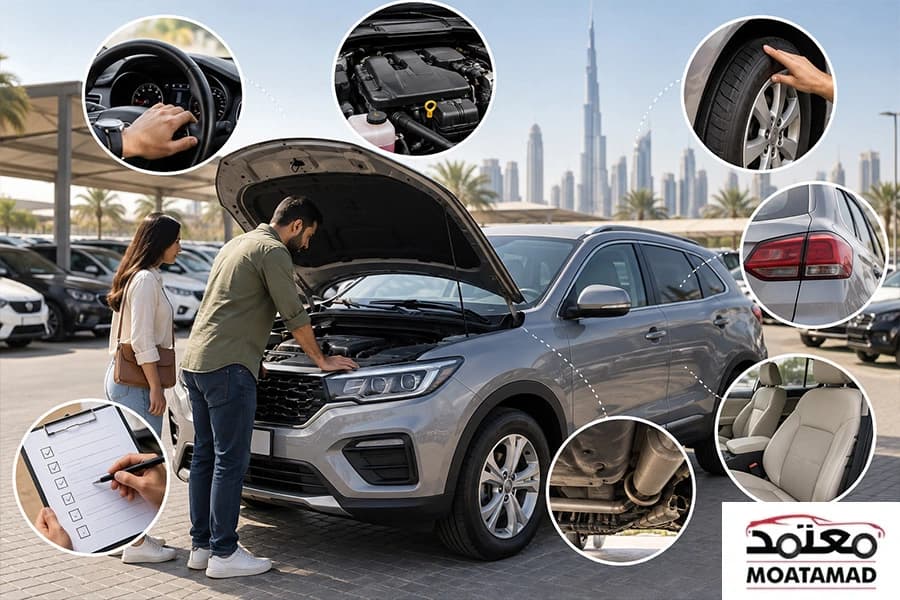
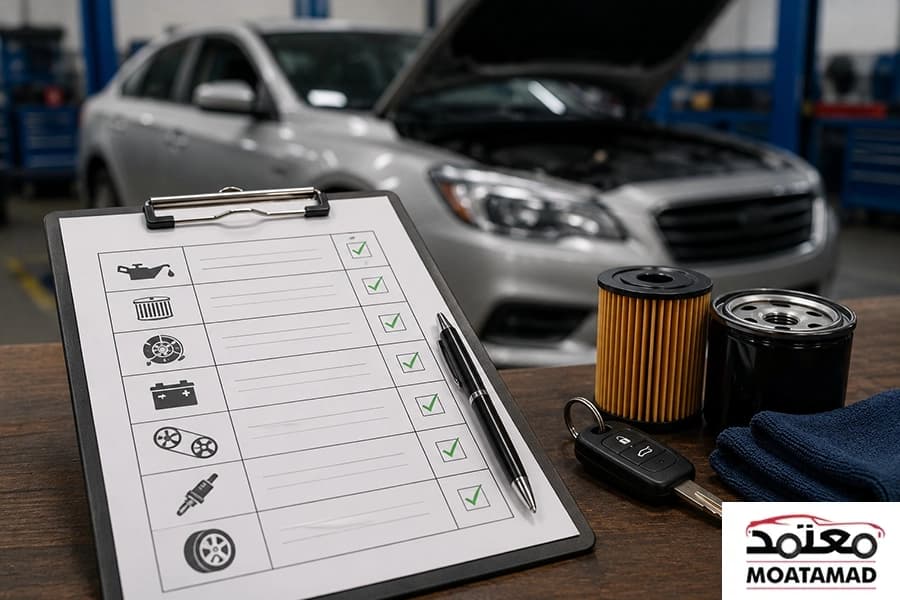
Regardless of the body style, inspect the individual vehicle carefully before completing your purchase. Our guide on how to inspect a used car gives you a step-by-step checklist.
Check the service history
Review available maintenance records and confirm that routine servicing has been carried out according to the manufacturer's recommendations.
Verify the mileage
Compare the odometer reading with available service records, inspection reports, and vehicle history information. Investigate unexplained inconsistencies.
Inspect the air-conditioning system
A properly functioning air-conditioning system is particularly important in the UAE climate. Check that it cools effectively and that the system operates as expected.
Examine the tyres and brakes
Inspect tyre condition, tread wear, manufacturing dates, and brake performance. SUVs may have larger or more expensive tyres, depending on the model. Our used car tyre inspection guide shows what to look for.
Review the accident history
Look for signs of previous body repairs and check available accident records. Arrange an independent inspection if you are unsure about the vehicle's condition.
Compare the total ownership cost
Include the purchase price, insurance, registration, fuel, maintenance, repairs, and expected resale value. This gives you a clearer picture of the car's long-term affordability.
A carefully inspected vehicle with a documented service history can be a better choice than a cheaper alternative with unresolved mechanical or history concerns.
FAQs
1. Is an SUV better than a sedan in the UAE?
An SUV may be better for larger families, extra luggage, and certain off-road activities. A sedan is often more suitable for daily commuting, easier parking, and lower running costs. The best option depends on your budget and driving requirements.
2. Which is more fuel-efficient, an SUV or a sedan?
Sedans are generally more fuel-efficient than comparable SUVs because they are often lighter and more aerodynamic. However, engine type, hybrid technology, driving habits, and vehicle size can affect actual fuel consumption.
3. Is a used SUV more expensive to maintain than a sedan?
Some SUVs have higher maintenance costs due to larger tyres, heavier components, or more complex drivetrains. However, maintenance costs vary by model, and certain SUVs may be cheaper to maintain than premium sedans.
4. Which is better for a family in the UAE?
An SUV is often suitable for larger families that need additional seating and cargo space. A sedan can be an excellent choice for smaller families who mainly travel on paved roads and do not require extra storage capacity.
5. Which car is better for long-distance driving in the UAE?
Both SUVs and sedans can be comfortable on UAE highways. Sedans may offer better fuel efficiency and stable handling, while SUVs can provide additional passenger and luggage space. Compare seating comfort, cabin noise, fuel consumption, and safety features before deciding.
6. Should I buy a used SUV or sedan as my first car?
A sedan can be a practical first car because it is often affordable to purchase, fuel-efficient, and easy to park. A compact SUV may be more suitable if you prefer a higher seating position or need extra cargo space. Choose a vehicle that you feel comfortable driving and can afford to maintain.
Choose the Right Car for Your Lifestyle
Choosing between an SUV and a sedan in the UAE comes down to your lifestyle, budget, passenger requirements, and driving habits. SUVs offer space, a higher seating position, and versatility, while sedans often provide better fuel economy, easier parking, and lower running costs.
Before making your final decision, compare the purchase price, insurance, maintenance requirements, fuel consumption, and expected resale value of the vehicles you are considering. For used cars, always review the service history and arrange a professional inspection.
At Moatamad Cars, you can compare pre-owned vehicle options based on your budget and requirements. Evaluate each vehicle’s condition, features, and ownership costs to find the right balance between practicality and value.
Ready to Find Your Next Car in the UAE?
Whether you are looking for a spacious SUV for your family or a fuel-efficient sedan for daily commuting, choosing the right vehicle starts with understanding your needs.
Visit Moatamad Cars today to explore available used cars and find the vehicle that fits your lifestyle and budget.