.webp&w=3840&q=75)

.jpeg&w=3840&q=75)


.jpeg&w=3840&q=75)
.jpg&w=3840&q=75)


.webp&w=3840&q=75)




.jpg&w=3840&q=75)
.jpg&w=3840&q=75)
.jpg&w=3840&q=75)
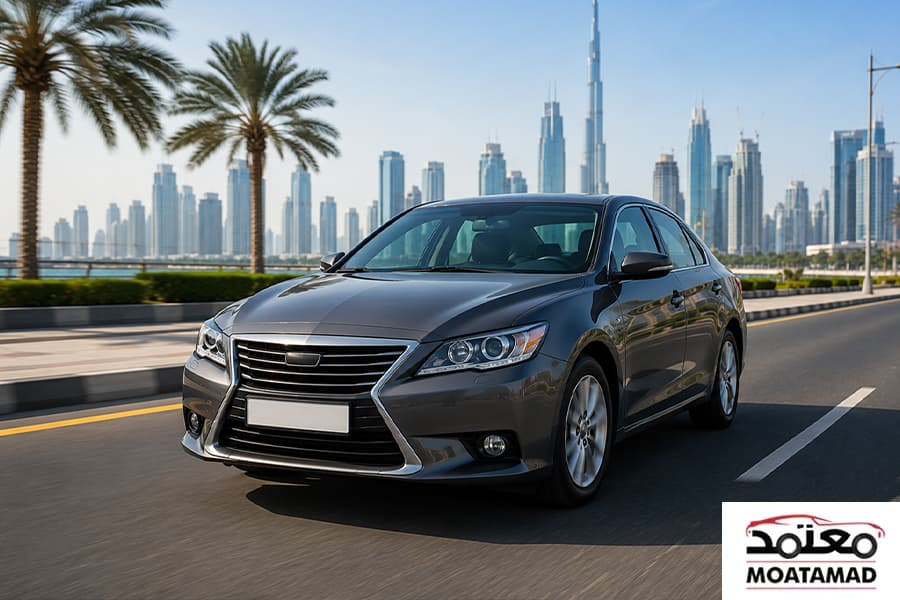
GCC Spec vs Non-GCC Spec Used Cars: What UAE Buyers Must Know Before Purchasing
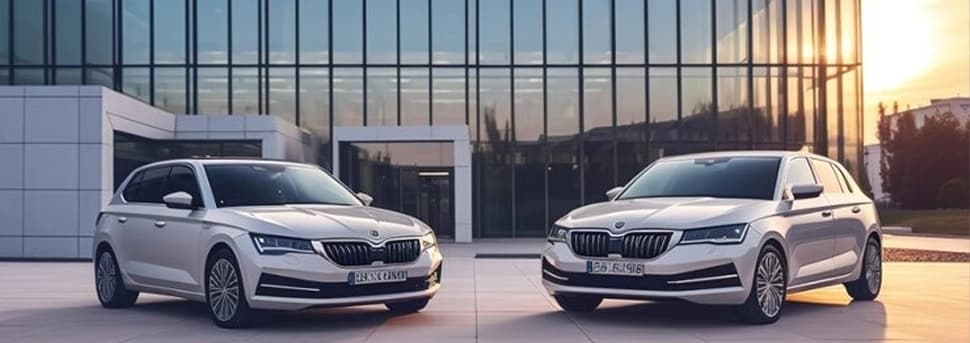
Buying a used car in the UAE can be a smart investment, but before signing any paperwork, there's one important detail many buyers overlook: whether the vehicle is a GCC-spec or non-GCC-spec car. Understanding the difference can save you from unexpected maintenance costs, insurance challenges, lower resale value, and performance issues in the UAE's harsh climate. If you are still in the early stages, start with our smart used car buying guide for UAE 2026 before diving into specifications. While non-GCC vehicles may appear attractive because of their lower prices, they may not always be the best choice for long-term ownership.
Buying a used car in the UAE can be a smart investment, but before signing any paperwork, there's one important detail many buyers overlook: whether the vehicle is a GCC-spec or non-GCC-spec car.
Understanding the difference can save you from unexpected maintenance costs, insurance challenges, lower resale value, and performance issues in the UAE's harsh climate. If you are still in the early stages, start with our smart used car buying guide for UAE 2026 before diving into specifications. While non-GCC vehicles may appear attractive because of their lower prices, they may not always be the best choice for long-term ownership.
What Does GCC Spec Mean?
GCC stands for the Gulf Cooperation Council, which includes:
- United Arab Emirates (UAE)
- Saudi Arabia
- Bahrain
- Kuwait
- Oman
- Qatar
A GCC-spec vehicle is manufactured or modified by the manufacturer to meet the climate, road conditions, fuel quality, and regulatory requirements of Gulf countries.
These vehicles are specifically designed to handle:
- Extreme summer temperatures
- Desert driving conditions
- High humidity levels
- Long-distance highway travel
As a result, GCC-spec cars are generally considered the preferred option for UAE drivers.
Why GCC Specifications Matter in the UAE?
The UAE experiences some of the world's highest temperatures, with summer temperatures often exceeding 45°C.
Manufacturers design GCC-spec vehicles with modifications such as:
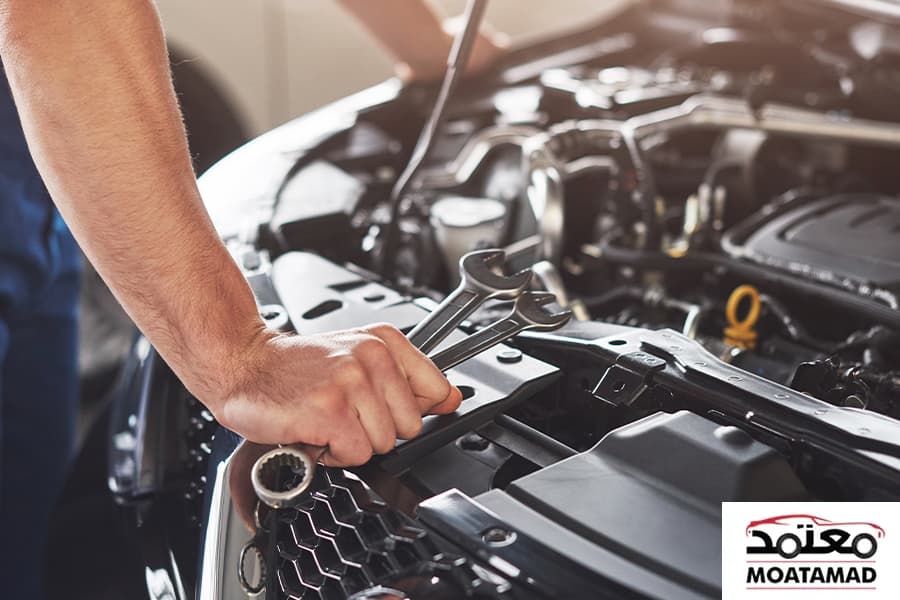
Enhanced Cooling Systems
GCC vehicles typically feature:
● Larger radiators
● Heavy-duty cooling fans
● Improved coolant systems
These upgrades help prevent overheating during extreme summer conditions.
Stronger Air Conditioning Systems
One of the biggest differences is the air-conditioning performance.
GCC-spec vehicles are equipped with AC systems specifically designed for Gulf temperatures, providing faster and more effective cooling.
Improved Dust Protection
Desert environments expose vehicles to:
● Sand
● Dust
● Fine particles
GCC-spec cars often include upgraded air filters and additional protection for critical components.
Regional Compliance
These vehicles comply with local regulations and manufacturer standards applicable in Gulf countries.
Key Differences Between GCC and Non-GCC Spec Cars
| Feature | GCC Spec Cars | Non-GCC Spec Cars |
|---|---|---|
| Cooling System | Enhanced for extreme heat | Designed for original market |
| Air Conditioning | Optimized for Gulf weather | May be less effective in UAE summers |
| Resale Value | Higher | Generally lower |
| Insurance Approval | Easier | May vary by insurer |
| Spare Parts Availability | Readily available | Sometimes difficult |
| Warranty Support | Often supported regionally | Limited or unavailable |
| Desert Suitability | Excellent | May require modifications |
How to Identify a GCC Spec Vehicle
Before purchasing a used vehicle, verify whether it is GCC-spec.
Check the VIN Number
The Vehicle Identification Number (VIN) can reveal the car's original market.
A dealer or manufacturer can help decode the VIN.
Look for GCC Certification Labels
Many GCC vehicles have labels indicating compliance with Gulf standards.
These labels may be found:
● Inside the driver's door frame
● Under the hood
● In vehicle documentation
Review the Service History
Service records often indicate where the vehicle was originally sold and maintained.
Request Vehicle Import Documents
Import paperwork can confirm whether the vehicle originated from the GCC region or was imported from another market. We also strongly recommend running an EVG accident history check on any used car using the chassis number, as it reveals full accident, ownership, and insurance records.
Advantages of Buying a GCC-Spec Used Car
Better Performance in UAE Weather
The UAE's extreme heat places additional stress on engines, cooling systems, and air-conditioning units.
GCC-spec vehicles are engineered specifically for these conditions.
Higher Resale Value
When it comes time to sell, GCC vehicles are generally easier to market.
Many buyers specifically search for GCC-spec vehicles because of their reliability and suitability for Gulf conditions.
Easier Insurance Approval
Insurance companies often prefer GCC vehicles because:
● Vehicle histories are easier to verify
● Parts availability is better
● Repair standards are more consistent
Better Spare Parts Availability
Finding replacement parts is typically easier and faster for GCC-spec models.
This can reduce maintenance costs and repair downtime.
Improved Long-Term Reliability
Since these vehicles are built for Gulf climates, they generally experience fewer heat-related issues compared to vehicles designed for colder regions.
Potential Risks of Buying a Non-GCC Spec Vehicle
While non-GCC vehicles can offer savings, buyers should consider several risks.
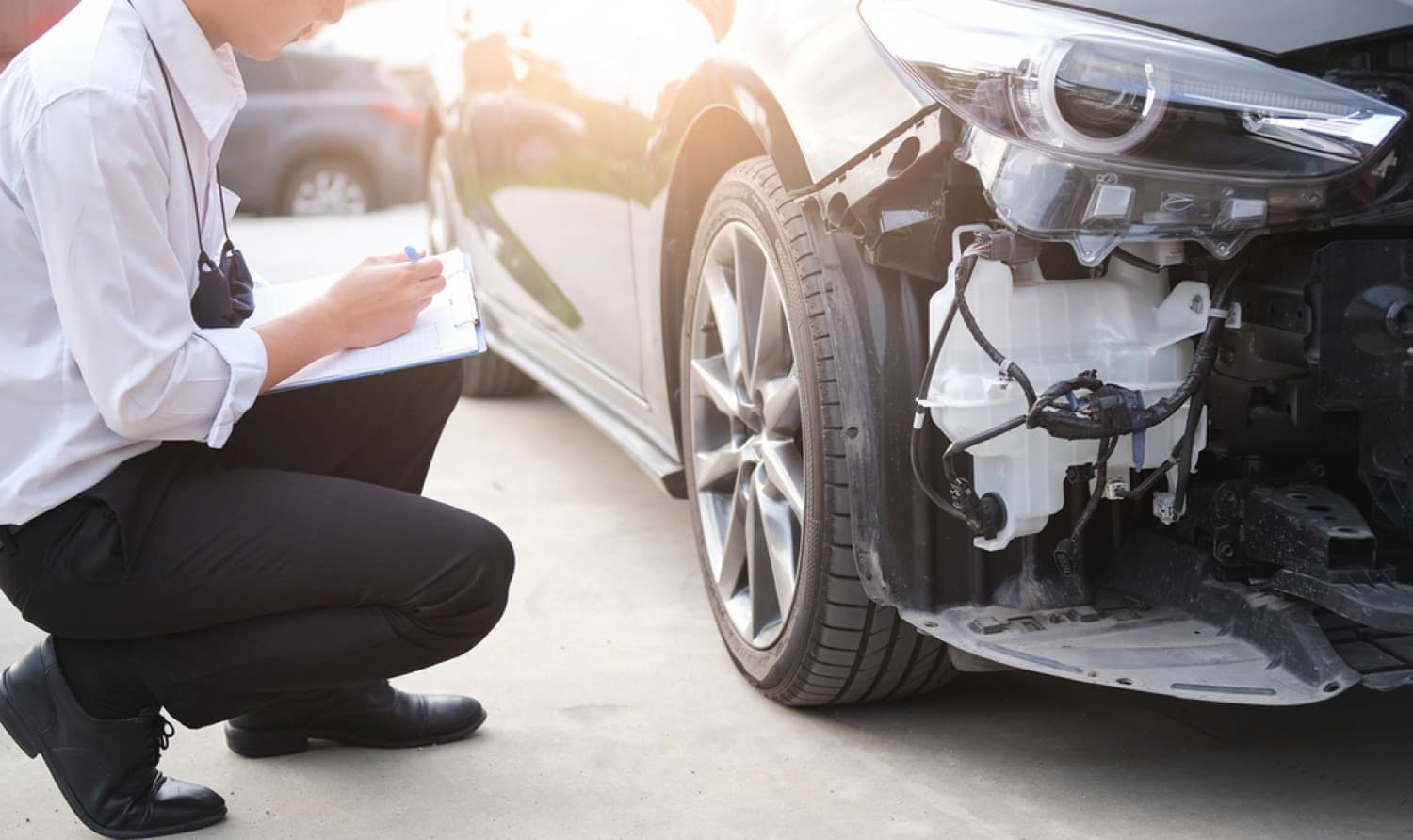
Unknown Accident History
Some imported vehicles may have previously been involved in accidents, floods, or insurance write-offs in their original markets. Always request a complete vehicle history report before purchasing. Read our full guide on hidden issues in used cars in UAE to know exactly what to look for.
Always request a complete vehicle history report before purchasing.
Cooling System Limitations
Vehicles designed for cooler climates may struggle under UAE summer conditions unless modifications have been made.
Insurance Challenges
Some insurance providers may:
● Offer limited coverage
● Charge higher premiums
● Require additional inspections
for certain imported vehicles.
Lower Resale Demand
Many UAE buyers actively prefer GCC-spec vehicles, which can make non-GCC cars more difficult to sell later.
Spare Parts Delays
Depending on the model and country of origin, replacement parts may require special ordering.
This can increase repair times and maintenance expenses.
When Does a Non-GCC Car Make Sense?
A non-GCC vehicle may still be a good option if:
- It has a verified accident-free history
- A professional inspection confirms good condition
- Cooling system upgrades have been completed
- The price difference is significant
- Insurance coverage is available
The key is conducting thorough due diligence before making a purchase.
What Moatamad Cars Stocks - And Why
Every single vehicle in the Moatamad Cars inventory is GCC spec. This is not a marketing claim—it is a deliberate sourcing policy that protects our buyers.
Our stock comes from UAE residents who trade in or sell their current cars, businesses upgrading their fleets, and government and institutional fleet disposals—all sources of confirmed GCC-spec vehicles that have spent their entire lives on UAE roads.
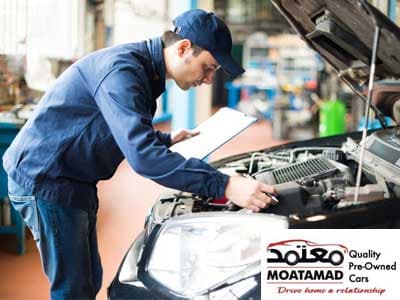
Before any used car enters our showroom, it goes through our 101-point inspection that includes verification of:
- GCC specification confirmation
- Cooling system performance under load
- AC system output and component condition
- Engine air filtration integrity
- Chassis and body condition including corrosion assessment
- Full EVG history check for accident and ownership records
- Outstanding fines and loan clearance
This process means that when you buy from Moatamad Cars, you are not just buying a car—you are buying certainty. Certainty that the vehicle was built for UAE roads, insured at standard rates, and will hold its value better when it is time to sell.
Choose the Right Used Car for Long-Term Value in the UAE
When buying a used car in the UAE, understanding the difference between GCC-spec and non-GCC-spec vehicles is crucial. While non-GCC cars may offer lower upfront costs, GCC-spec vehicles are specifically designed for Gulf weather conditions, making them a more reliable choice for daily driving, long-term ownership, and better resale value.
Before making a purchase, always verify the vehicle's specifications, review its history, conduct a professional inspection, and confirm insurance eligibility. Taking these precautions can help you avoid unexpected expenses and ensure a smoother ownership experience.
At Moatamad Cars, we are committed to helping buyers find quality used vehicles that meet UAE driving conditions and budget requirements. Whether you're looking for a GCC-spec family car, SUV, or luxury vehicle, our team is here to guide you through every step of the buying process and help you make a confident investment.
FAQs
1. Is it safe to buy a non-GCC spec car in the UAE?
Yes, a non-GCC spec car can be a good purchase if it has a verified service history, no major accident records, and passes a professional inspection. However, buyers should carefully evaluate its suitability for UAE weather conditions.
2. Why do GCC-spec cars usually have a higher resale value?
GCC-spec vehicles are designed for Gulf climates and are generally preferred by UAE buyers. This higher demand often results in better resale value compared to non-GCC vehicles.
3. Are GCC-spec cars better suited for UAE summers?
Yes. GCC-spec cars typically feature upgraded cooling systems, stronger air-conditioning performance, and components designed to withstand extreme Gulf temperatures.
4. How can I check whether a used car is GCC or non-GCC spec?
You can verify the vehicle specification by checking the VIN number, reviewing import documents, inspecting compliance labels, and requesting the vehicle's service history.
5. Do insurance companies charge more for non-GCC vehicles?
Some insurers may charge higher premiums or offer limited coverage for non-GCC vehicles depending on their origin, condition, and repair history.
6. Can imported non-GCC cars have hidden accident damage?
Some imported vehicles may have previous accident, flood, or insurance claim histories. It is important to obtain a vehicle history report and perform a professional inspection before purchasing.
7. Are spare parts easier to find for GCC-spec vehicles?
Generally, yes. Spare parts for GCC-spec vehicles are usually more readily available in the UAE, which can help reduce repair times and maintenance costs.
8. Should I get a pre-purchase inspection before buying a used car?
Absolutely. A professional pre-purchase inspection can identify mechanical, electrical, and structural issues that may not be visible during a standard vehicle viewing.
9. What should I check before purchasing any used car in the UAE?
Buyers should verify the vehicle history, service records, ownership documents, accident history, cooling system condition, insurance eligibility, and overall mechanical health.
10. Why should I buy a used car from Moatamad Cars?
Moatamad Cars offers professionally inspected vehicles, transparent documentation, expert guidance, competitive pricing, and assistance throughout the ownership transfer process, helping buyers purchase with confidence.