.webp&w=3840&q=75)

.jpeg&w=3840&q=75)


.jpeg&w=3840&q=75)
.jpg&w=3840&q=75)
.webp&w=3840&q=75)


.jpg&w=3840&q=75)
.jpg&w=3840&q=75)
.jpg&w=3840&q=75)
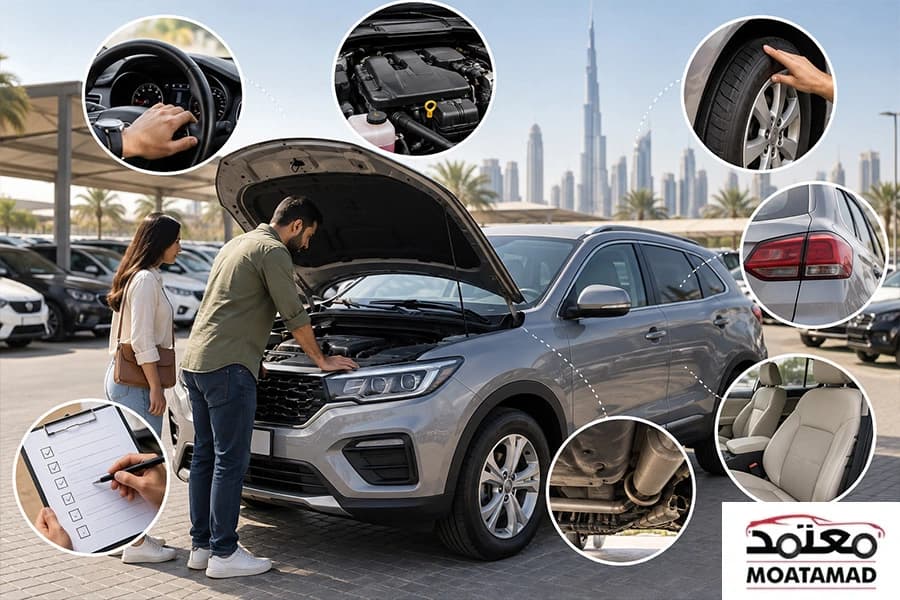
A used car can look flawless in photos and still hide problems that only surface once you're behind the wheel. In the UAE, where extreme heat, sand, and long highway drives put extra strain on every component, a proper test drive is your best defense against a costly mistake. This guide walks you through exactly what to check ,inside, outside, and on the road ,before you sign anything.
Why the Test Drive Matters More Than the Listing Photos
Photos and spec sheets tell you what a car should be. Only a test drive tells you what it actually is. A well-maintained used car will handle predictably, start smoothly, and show no unusual noises or smells. Skipping this step, or rushing through it, is one of the most common reasons buyers end up with unexpected repair bills within the first few months of ownership.
If you'd rather start from vehicles that have already passed a multi-point inspection, browsing certified used cars is a good way to shortlist options before you even book a test drive.
Before You Get In: Exterior and Documentation Checks
Check the Bodywork for Mismatched Paint or Panel Gaps
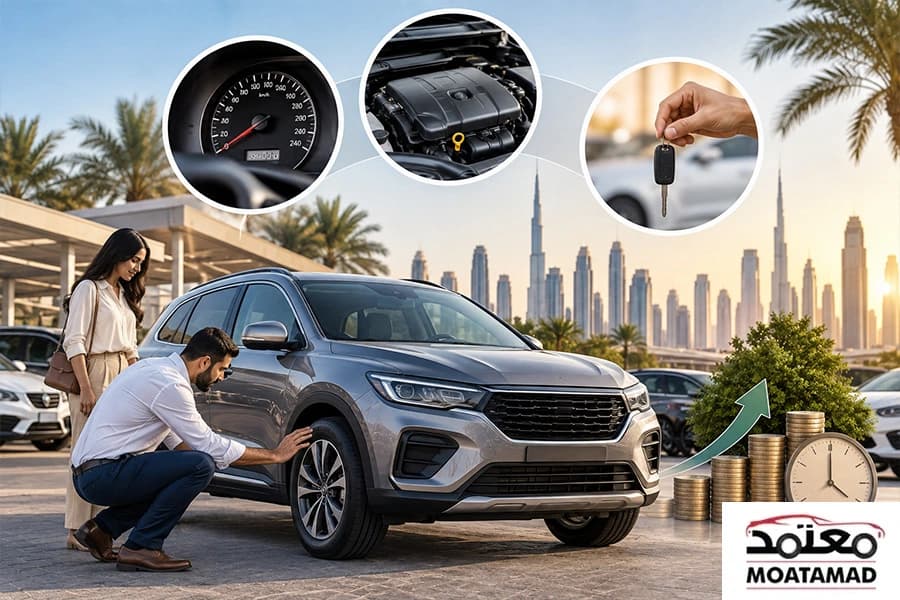
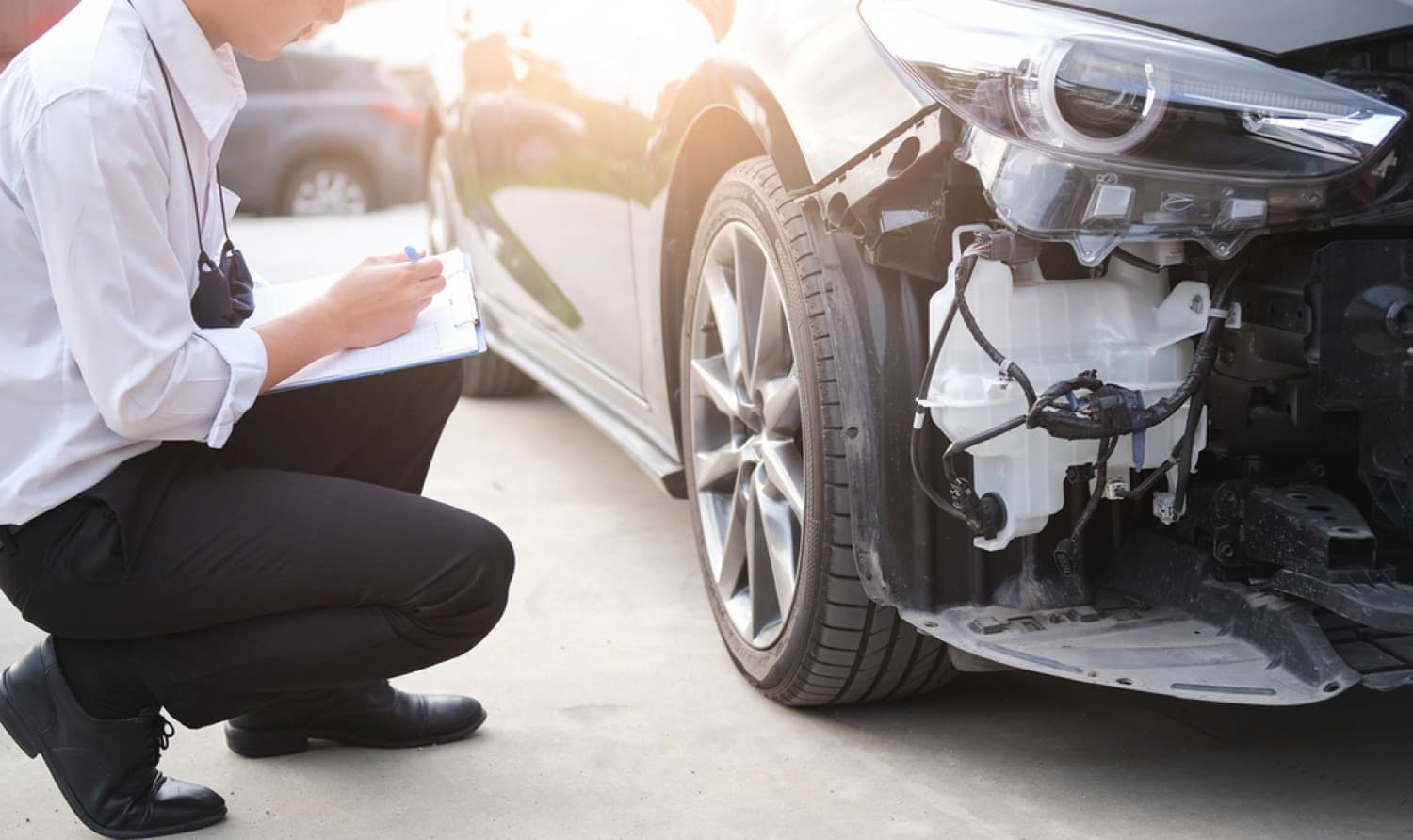
Walk around the car in daylight. Look for slight color differences between panels, uneven panel gaps, or overspray on rubber trim - all signs of prior accident repair.
Inspect for Rust, Dents, and Scratches
The UAE's coastal humidity can accelerate rust in older vehicles. Check wheel arches, the underside of doors, and the boot floor.
Verify the Chassis and VIN Number
Confirm the Vehicle Identification Number on the dashboard, door frame, and registration card all match. A mismatch is a serious red flag.
Confirm Registration, Service History, and Ownership Documents
Ask for the Mulkiya, service booklet, and any accident or insurance claim history. If you're unsure how registration transfers work, it's worth reading our guide on RTA Mulkiya renewal and used car transfer before finalizing paperwork.
Run an Accident and Ownership History Check
Beyond what the seller tells you, an independent report can reveal flood damage, total-loss history, or odometer tampering. Our detailed breakdown on the EVG accident history check explains exactly what this covers and why it matters before purchase.
Under the Hood: Mechanical Checks
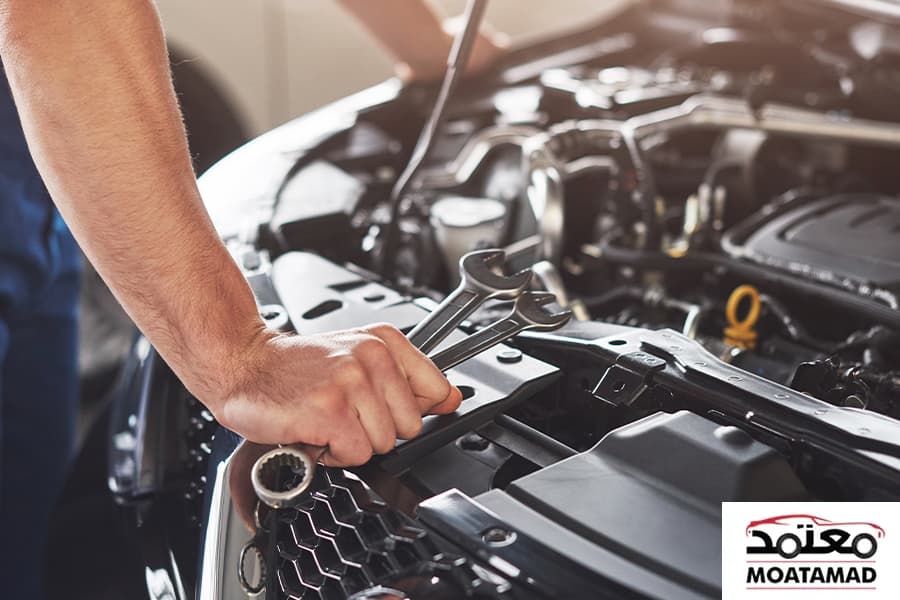
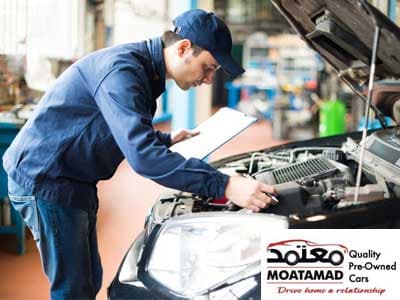
Check the Engine Bay for Leaks and Corrosion
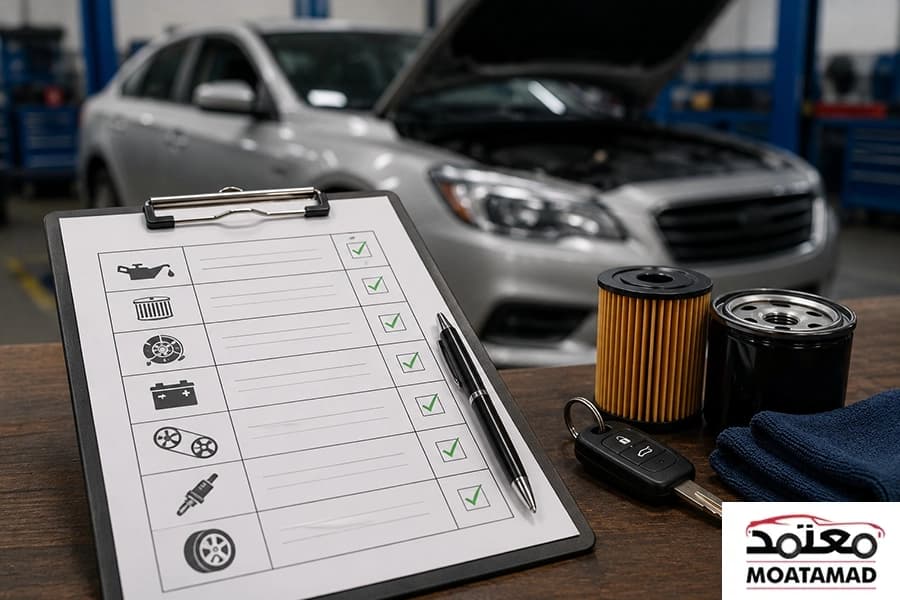
Look for oil residue around gaskets, coolant stains near the radiator, and any corrosion on the battery terminals - a common issue given the region's heat.
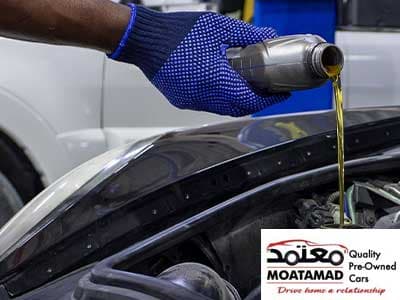
Inspect Fluid Levels and Condition
Engine oil should be amber to dark brown, not black and gritty. Coolant should be clean, not rusty. Milky oil can indicate a head gasket problem.
Listen to the Engine at Start-Up
A cold start reveals more than a warm one. Listen for knocking, ticking, or excessive smoke from the exhaust when the engine first turns over.
Check the Tyres and Spare
Uneven tread wear can point to alignment or suspension issues, and tyre age matters as much as tread depth in UAE heat. For a full walkthrough of what to look for, see our used car tyre inspection guide.
Test the Air Conditioning System Thoroughly
This is non-negotiable in the UAE. Run the AC on full blast for several minutes and check for consistent cold air from all vents, unusual odors, or weak airflow.
On the Road: What to Test While Driving
Evaluate Acceleration and Gear Shifts
Automatic transmissions should shift smoothly without hesitation or jerking. Manual gearboxes should engage cleanly without grinding.
Test the Brakes at Different Speeds
Brake gently and firmly at various speeds. The car should stop in a straight line without pulling to one side, vibrating, or making grinding noises.
Check Steering Response and Alignment
On a straight, empty road, briefly and safely check whether the car pulls to one side - a sign of alignment or suspension wear.
Listen for Suspension Noise Over Bumps
Drive over a speed bump or uneven surface. Clunks or rattles usually mean worn suspension components, which are common in cars that have handled desert or off-road driving.
Test All Electronics and Safety Features
Check power windows, central locking, infotainment, reverse camera, sensors, and warning lights. A dashboard warning light that stays on after start-up needs investigating before you buy.
After the Test Drive: What to Do Next
Once you've completed the checklist, compare your findings against the asking price. If the car needs work - new tyres, an AC service, brake pads - factor that into your negotiation. It also helps to compare a few shortlisted models side by side before committing, especially if you're weighing GCC-spec against imported variants; our guide on GCC vs non-GCC spec used cars explains why that distinction affects long-term reliability and resale value.
If financing is part of your plan, it's worth checking used car financing options early, so you know your budget ceiling before you fall in love with a car that's out of range.
FAQs
1. How long should a used car test drive last?
Aim for at least 20–30 minutes, covering a mix of city roads, a highway stretch if possible, and some uneven surfaces to properly assess suspension and brakes.
2. Can I test drive a used car without buying insurance first?
Most reputable dealerships, including certified showrooms, carry test-drive insurance for prospective buyers. Always confirm this before getting behind the wheel of a private seller's car.
3. What documents should I bring to a test drive?
Bring your Emirates ID and driving license. Some dealers may also ask for a security deposit or ID copy, especially for private test drives.
4. Is it normal for a used car's AC to feel weaker than a new car's?
A slight difference is normal, but weak or inconsistent airflow, unusual smells, or a long cool-down time usually signal a service is needed soon.
5. Should I test drive a used car in both city and highway conditions?
Yes, if possible. City driving reveals low-speed issues like clutch or transmission jerks, while highway driving exposes vibration, alignment, and stability problems at higher speeds.
6. What warning signs during a test drive mean I should walk away?
Persistent warning lights, burning smells, grinding brakes, heavy smoke from the exhaust, or a pulling steering wheel are strong reasons to reconsider the purchase.
7. Do I need a mechanic to inspect the car after the test drive?
It's a smart extra step, especially for older vehicles or private sales. A independent inspection can catch issues that aren't obvious during a short drive.
8. How does mileage affect what I should check during a test drive?
Higher-mileage cars warrant closer attention to suspension noise, transmission smoothness, and engine start-up behavior, since wear-related issues become more likely as mileage climbs.
Ready to Find Your Next Used Car?
A thorough test drive is your best insurance against buyer's remorse - but starting with a vehicle that's already passed a multi-point inspection makes the whole process easier.
At Moatamad Cars, every vehicle in our inventory is inspected before it reaches the showroom floor. Explore our certified used cars and book your test drive today.