.jpg&w=3840&q=100)




.webp&w=3840&q=100)




.jpg&w=3840&q=100)
.jpg&w=3840&q=100)
.jpg&w=3840&q=100)
![[object Object]](/_next/image?url=https%3A%2F%2Fadmin.moatamad.com%2Fstorage%2Ffiles%2F17%2Fblog1.webp&w=1920&q=75)
Buying a used car in the UAE can be a smart and cost-effective decision. With a huge variety of models, competitive pricing, and excellent resale value, the UAE pre-owned market attracts thousands of buyers every month. However, one critical step that should never be skipped is checking the vehicle’s accident history.
Whether you plan to buy from a private seller or a well-established dealership, understanding a vehicle’s past ensures transparency, safety, and long-term satisfaction. One of the most trusted platforms for this purpose is the Emirates Vehicle Gate (EVG).
In this detailed guide, we’ll explain what EVG is, how to use it, and why reputable companies like Moatamad Cars rely on transparent accident checks to maintain customer trust, something that many second-hand car dealers in the UAE also prioritize to ensure customer confidence.
What is Emirates Vehicle Gate (EVG)?
The Emirates Vehicle Gate (EVG) is an official UAE platform that provides detailed information about:
- Accident history
- Vehicle specifications
- Traffic fines
- Insurance records
- Driver and vehicle services
It is the most reliable and widely used source for confirming whether a vehicle has been involved in any accidents.
Why Accident History Matters When Buying a Used Car
Before purchasing a used car, especially in a competitive market like the UAE it’s important to understand its background. This is why both buyers and second car dealers rely on EVG to verify accident information.
Here’s why it matters:
1. Avoid Cars With Hidden Structural Damage
Some vehicles may look fine, but could have serious internal damage from past accidents.
2. Negotiate the Right Price
If the EVG report shows accident history, you can use this information during price negotiations.
3. Ensure Long-Term Safety & Performance
Accident-free cars usually offer better reliability and fewer long-term mechanical issues.
4. Verify the Seller’s Claims
If a seller claims the car is “accident-free,” EVG provides the truth.
How to Check Accident History Using EVG
Checking vehicle accident history on EVG is simple. Here’s how:
Step 1: Visit the EVG Website
Go to the official Emirates Vehicle Gate portal.
Step 2: Select Vehicle Accident Inquiry
Look for the service that allows you to check the accident history of a vehicle.
Step 3: Enter the Vehicle’s Chassis Number (VIN)
The chassis number can be found:
- On the Mulkiya (registration card)
- On the car’s dashboard (driver’s side)
- Under the hood
Step 4: Submit the Request
Click the search button to generate the report.
Step 5: Review the Accident History
The EVG system will display:
- Number of recorded accidents
- Dates and locations of accidents
- Severity (minor, moderate, or major)
- Areas of impact (front, rear, side, etc.)
- Associated police reports
This gives you a clear picture of the vehicle’s past.
What Information Does the EVG Accident Report Include?
A typical EVG report may contain:
- Complete accident details from the UAE authorities
- Damage severity and affected parts
- Repair involvement (insurance or personal)
- Vehicle identification and specifications
This information is extremely helpful in determining whether the car is a safe and worthwhile investment.
Tips After Checking EVG Accident History
1. Inspect Repair Quality
Professional repairs from agency workshops are usually more reliable.
Confirm RTA Passing Status
Cars with serious accidents may face challenges during RTA tests.
3. Ask for Service & Maintenance Records
A well-maintained car offers better peace of mind.
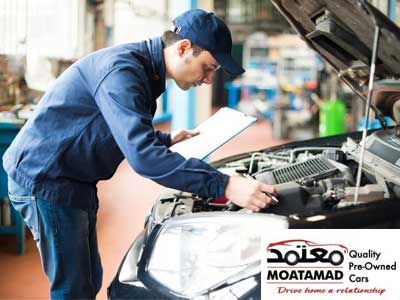
4. Combine EVG Check With a Physical Inspection
EVG gives history, but a mechanic identifies hidden issues.
Wrap-Up: Don’t Buy Blindly - Protect Your Purchase
In a competitive used car market like the UAE’s, an EVG Accident History Check isn’t a luxury, it's essential. It gives you clarity, confidence, and peace of mind by revealing the car’s true past. Whether you’re a first-time buyer or a seasoned shopper, making this check part of your buying checklist ensures that you’re investing wisely in a reliable vehicle.
At Moatamad Cars, We’ve Got Your Back
Looking for a used car with a verified history and transparent documentation? Moatamad Cars helps buyers make informed purchases backed by trusted reports like EVG checks, inspection certificates, and vehicle verification, all tailored for the UAE market.
FAQs
1. Does EVG provide service history along with accident history?
No. EVG mainly focuses on accident records and traffic-related data. Service or maintenance history must be requested from the dealer, agency, or the car’s previous owner.
2. Can I check accident history using only the plate number?
Yes. In most cases, the plate number or chassis number (VIN) is enough to retrieve accident records. Some services may require additional details depending on the emirate.
3. How accurate are accident history reports in the UAE?
They are highly accurate because reports come directly from police, RTA, and authorized testing centers. However, minor cosmetic repairs done privately without police involvement may not always appear.
4. How long does it take to get an accident history report in the UAE?
Accident history reports are usually generated instantly after entering the plate number or VIN. Some emirate-based portals may take a few minutes. Most second-hand car Dealers in the UAE retrieve these reports quickly during the inspection process.
5. Is accident history linked to insurance claims in the UAE?
Most accidents recorded by police or insurance companies appear in the EVG or emirate-based systems. However, private repairs without official reporting may not be listed.